United States · 21 May 2026 · 6 min read
Manhattan as the New Swiss Bank Account
The wealthiest families in the world rarely think about assets the way most investors do. They are not searching for the highest return. They are searching for durability.
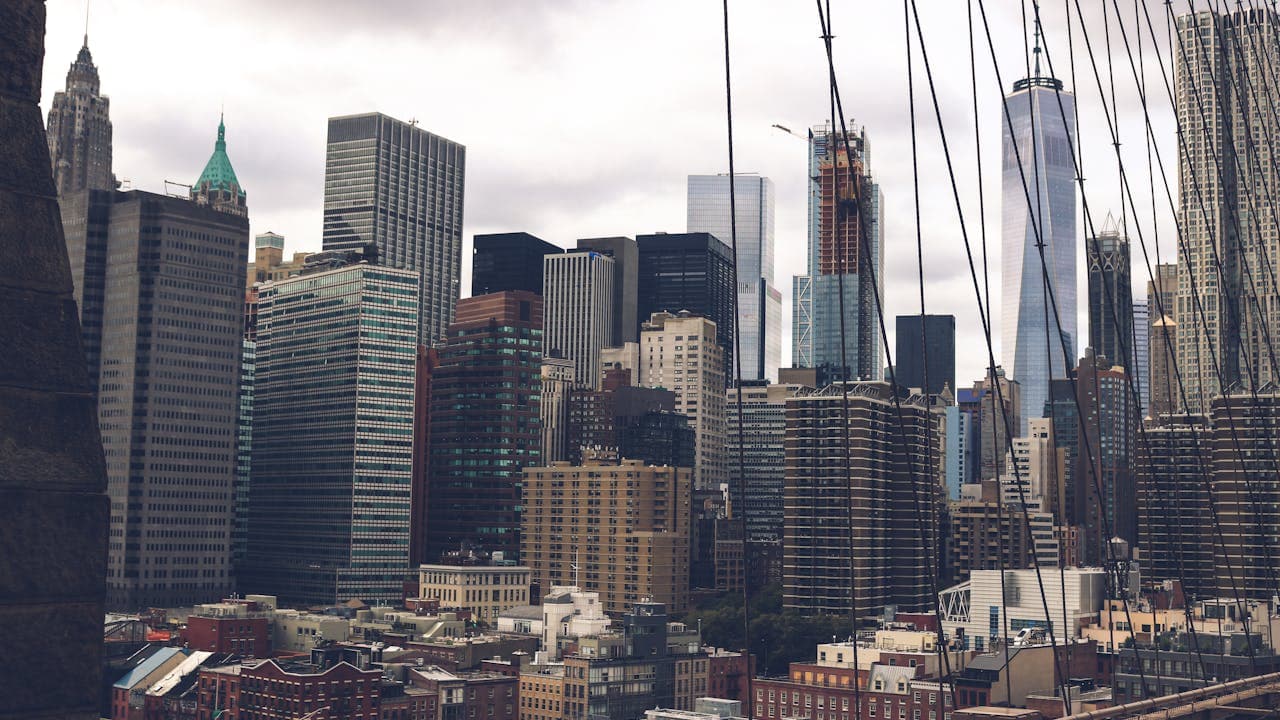
The wealthiest families in the world rarely think about assets the way most investors do. They are not primarily searching for the highest return. They are searching for durability. That distinction explains a great deal about where long-term capital ultimately settles.
For decades, the Swiss bank account represented a particular idea: stability, predictability, security. It was less about performance than preservation. Wealth needed somewhere dependable to sit while the rest of the world remained unpredictable. Today, many of the same characteristics are found elsewhere. Increasingly, they are found in cities. Not all cities, but a very small number of globally significant ones with deep economies, strong legal systems, limited housing supply, and enduring demand. Manhattan sits near the top of that list.
Consider what an investor actually owns when they own multifamily housing in Manhattan. They own a claim on a city that remains one of the most important economic centres in the world. They own an asset supported by housing demand that has persisted through multiple generations. They own property denominated in dollars, the currency global capital continues to favour during periods of uncertainty. Most importantly, they own something that is difficult to replicate.
That combination matters. Durability in investing is usually the result of several independent advantages working together: geography, legal protections, economic relevance, supply constraints, currency stability. Few assets possess all of them simultaneously. Manhattan often does.
This helps explain a recurring pattern in global capital flows. When uncertainty rises, capital does not always pursue maximum returns. More often it pursues reliability. Investors living through political uncertainty, currency instability, or economic volatility frequently seek jurisdictions where ownership rights are clear and long-term demand is predictable. The objective is not aggressive growth. The objective is preservation, and growth becomes a secondary benefit.
Viewed through that lens, Manhattan multifamily begins to look less like a real estate investment and more like a reserve asset. A reserve asset does not need to be exciting. It needs to endure. The remarkable thing about Manhattan is not that it has avoided challenges; it has experienced many. The remarkable thing is that it continues to matter despite them. Financial crises, political changes, recessions, pandemics, regulatory shifts. Each arrives accompanied by predictions that the city has permanently changed. The predictions rarely age well.
Cities of this importance tend to outlast the concerns of the moment. That is why sophisticated capital continues to return. Not because the headlines are favourable, but because the underlying characteristics remain intact: a finite supply of housing, a globally significant economy, reliable property rights, persistent demand, and a reserve currency. Those are powerful foundations, particularly when sentiment temporarily obscures them.
Many investors spend their careers chasing the next opportunity. The largest pools of capital often spend theirs protecting what they already have. That difference in perspective leads them to very different assets. The more uncertain the world becomes, the more valuable durability tends to become. Few assets combine durability and income as effectively as housing in one of the world's most important cities. Fewer still periodically become available at discounted pricing.
This article is provided for information and education only. It is not investment advice, a financial promotion, or an offer to invest, and it does not take account of your circumstances. Capital is at risk. Past performance is not indicative of future results.
Access Opportunities